


Every year, as our planet makes a new trek around the sun, humanity reflects and sets intentions for the new year ahead. These intentions — what we commonly call New Year’s resolutions — feel ancestral, divine, instinctual. But, where did this tradition come from- and why do we continue it even when most resolutions fail?
As we step into another calendar year, it’s worth exploring not just how we make resolutions but the deeper purpose they serve in giving our lives direction and meaning.

Ancient Roots
The idea of marking a new year with commitments isn’t a modern invention — it predates the Gregorian calendar by thousands of years.
Historians trace the earliest known practice of making New Year’s resolutions to the ancient Babylonians, some 4,000 years ago. During a spring festival called Akitu, which coincided with the start of the farming season, people made promises to their gods to repay debts and return borrowed items — symbolic of beginning the year with order and honor. This was more than personal improvement; it was a public pledge of accountability and community trust. HISTORY+1
Later, when the Roman Empire adopted January 1 as the start of the new year under Julius Caesar, the tradition evolved, and people began making resolutions to the god Janus, the two-faced deity representing beginnings and transitions — looking back at the old year and forward into the future. HISTORY
Over time, the practice entered Christian cultures through early renewal traditions and watchnight services, where believers would reflect spiritually and covenant with God for the coming year. HISTORY
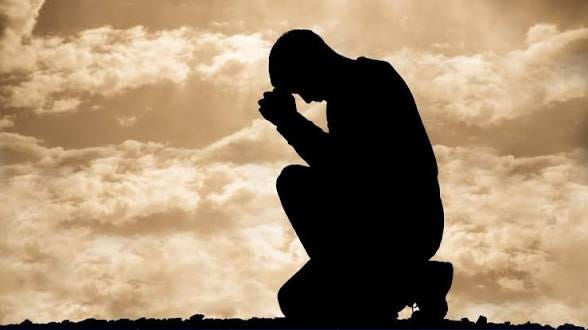
Resolutions: Ritual, Reflection, and Renewal
What ties these ancient practices together isn’t the specific goal — repaying a debt or hitting the gym — but the idea of intentional transformation at a threshold in time.
New Year’s Day represents a rare psychological moment:
an agreed-upon reset button for society.
Anthropologists and psychologists say that people naturally assign special meaning to beginnings — the arithmetic of a new calendar year gives us a shared moment to pause, reflect, and ask:
What do I want to improve?
What mistakes from the past year do I want to leave behind?
Who do I want to become next?
This impulse isn’t trivial; it’s deeply human. Even neuroscience supports the value of this ritual: setting intentions harnesses our capacity for metacognition — thinking about our own thinking — and helps us plan ahead rather than drift aimlessly. TIME

Why Humans Need This Reset
At its philosophical core, a New Year’s resolution is a declaration of vision — a statement that says:
“I see a future I want to move toward.”
Vision is a powerful force. The ancient book of Proverbs states, “without a vision, the people perish” (Proverbs 29:18). Whether one reads that spiritually or metaphorically, the principle holds:
Without clarity about where we want to go, we are more likely to stagnate than grow.
New Year’s resolutions tap into this psychological truth.
They are a ritualized form of goal setting — a way of articulating a desired future state and consciously stepping into it. Research on goal psychology shows that simply framing a future state in language makes it more real and more likely to influence behavior, especially when broken into clear, achievable steps. Wikipedia

Why Most Resolutions Fail — and What That Teaches Us
Despite their ancient roots and psychological basis, most resolutions don’t last.
One commonly cited study suggests that large portions of people abandon their resolutions within the first few months of the year. Wikipedia. A deeper look at behavioral research points to a few common reasons:
Goals are often too large or vague
People fail to consider why they want the change. Verywell Mind
There’s no plan for how to achieve the goal, only the desire to change ASU News
These failures don’t indict the idea of resolutions — they highlight something important:
Intentions alone aren’t enough; vision requires strategy.
A vision without a plan is like wanting to build a house without architects or tools.

A New Perspective on New Years Resolutions
To many, resolutions can feel overwhelming, unattainable, and unrealistic. Critics argue that:
January 1 isn’t inherently magical
Resolutions often feed unrealistic self-expectations
Failure can lead to shame rather than growth. Encyclopedia Britannica
And in truth, change can occur any time — not just on January 1.
But the power of New Year’s resolutions lies not in the date — but in intentional reflection and recommitment. They provide a culturally sanctioned moment for big questions:
“What do I value?”,
“What will I protect?”,
“What steps am I taking toward a better version of myself?”
When we set intentions from a place of purpose rather than pressure, resolutions become tools of transformation — not instruments of guilt.

A New Year, A New Vision
So as we stand at the threshold of another year, it helps to see New Year’s resolutions not as a fad or an outdated ritual, but as part of a long human tradition of visioning our future selves.
Whether rooted in faith or modern neuroscience, the act of resolution still reflects one essential truth:
There’s power in vision!
In a world that moves faster than ever, with shifting family systems, evolving careers, and constant reinvention, setting a thoughtful resolution is less about perfection and more about direction — giving your life something worthy to aim for.
And in that sense, a resolution is not just a list of goals — it’s A New Perspective on 2026.