

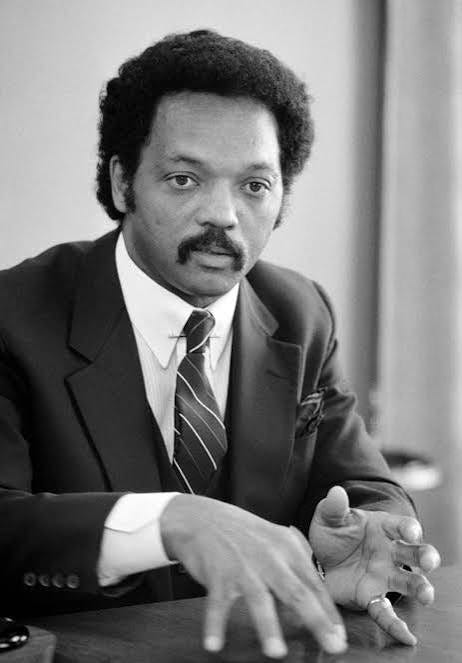
The legacy of Reverend Jesse Jackson cannot be measured solely by the offices he sought, the marches he led, or the presidents he advised. His greatest legacy may be something far more lasting— He gave a people a name- an identity!
Not merely an identity, but a position on the global stage.
He urged a people to remain connected to their ancestral heritage by defining themselves not solely on the bases of their skin or their cultural experiences but on their ethnic identity to Africa and as African-Americans.
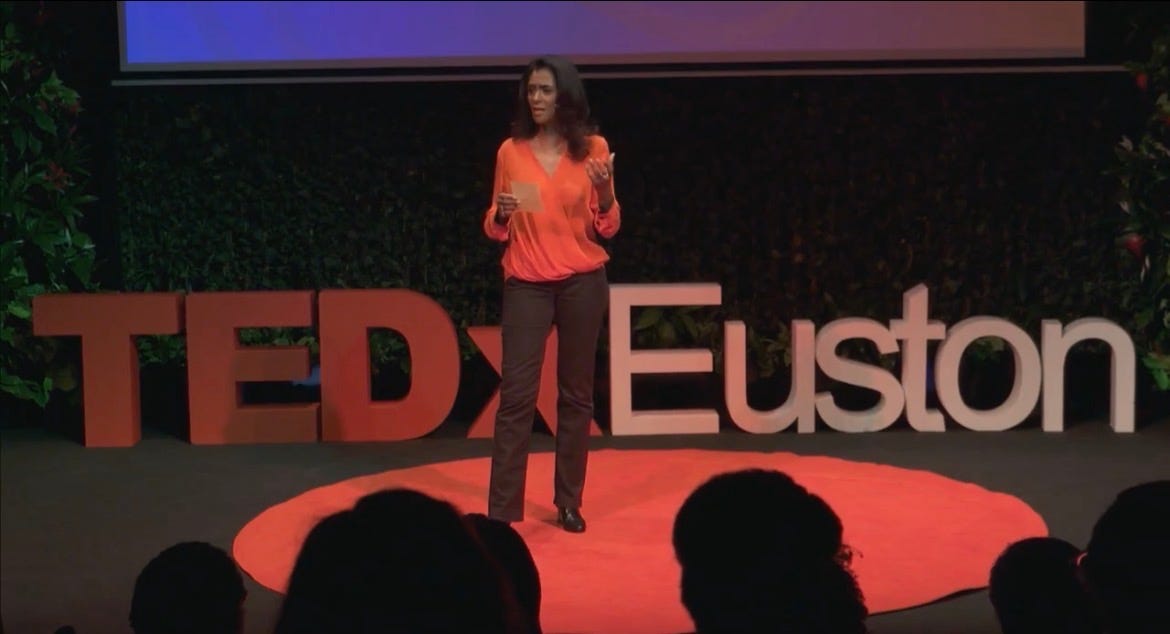
In a TED Talk, Sudanese-British television journalist, Zeinab Badawi, recalled how Reverend Jackson emphasized the importance of retaining this term.
“He understood something profound about telling the world where you stand on the global stage and claiming our own narrative. It doesn’t matter where you live in the world, you’re of African descent. Whether in Brazil, being the second largest African population after Nigeria or the African- American diaspora, the most powerful and influence diaspora of Africans in the world.”
Badawi urges the idea of more interactions and cross-fertilization if ideas between the newly arrived Africans and the more established African-American community and calls the term “black” a retrograde step and a way to distinguish one-selves from their heritage.
During the scholarly movement to reclaim the term African-American. Jackson said, “just as we were called “colored” but were not that, and then “negro” but we’re not that, to be called “black” is just as baseless. Black tells you about skin color, what side of town you live on. African-American evokes discussion.
